Dreigestirn2
In the Beethoven year 2027, the orchestra turns to the “Eroica”, composed between 1802 and 1804 under the influence of the French Revolution. Numerous anecdotes surround its title, above all the story that Beethoven intended the symphony as a monument to Napoleon. Or was it a tribute to an imaginary hero… or perhaps to Prometheus?
The latest Dreigestirn opens with a tribute to the natural horn: while the “Eroica” calls for three horns, Haydn’s “Hornsignal” Symphony requires no fewer than four. And what cheeky remarks did Mozart jokingly write into the score about his solo horn player Joseph Leutgeb? We will hear it from Mozart himself, alias Jurij Meile, director of the Teatro Chiasso!
JOSEPH HAYDN (1732 – 1809)
Symphony No. 31 in D major, Hob. I:31 “Horn Signal”
WOLFGANG AMADEUS MOZART (1756 – 1791)
Rondo from the Horn Concerto No. 1 in D major, K. 412
Fragment completed by Henrik Wiese
LUDWIG VAN BEETHOVEN (1770 – 1827)
Symphony No. 3 in E-flat major, Op. 55 “Eroica”
In cooperation with
Solist:innen
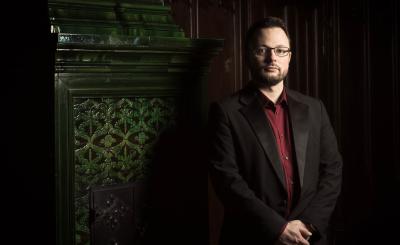
Olivier Picon (baroque horn)
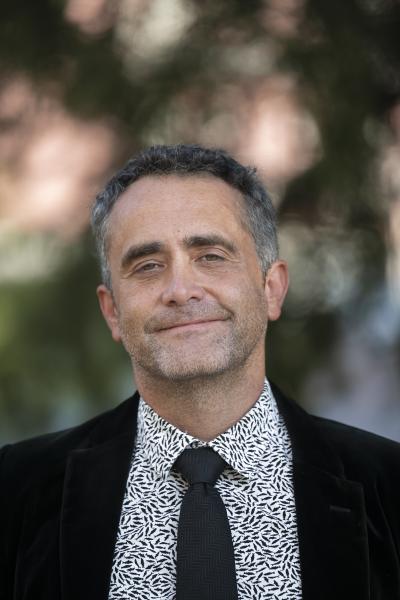
Jurij Meile (Narrator)